

Harvest
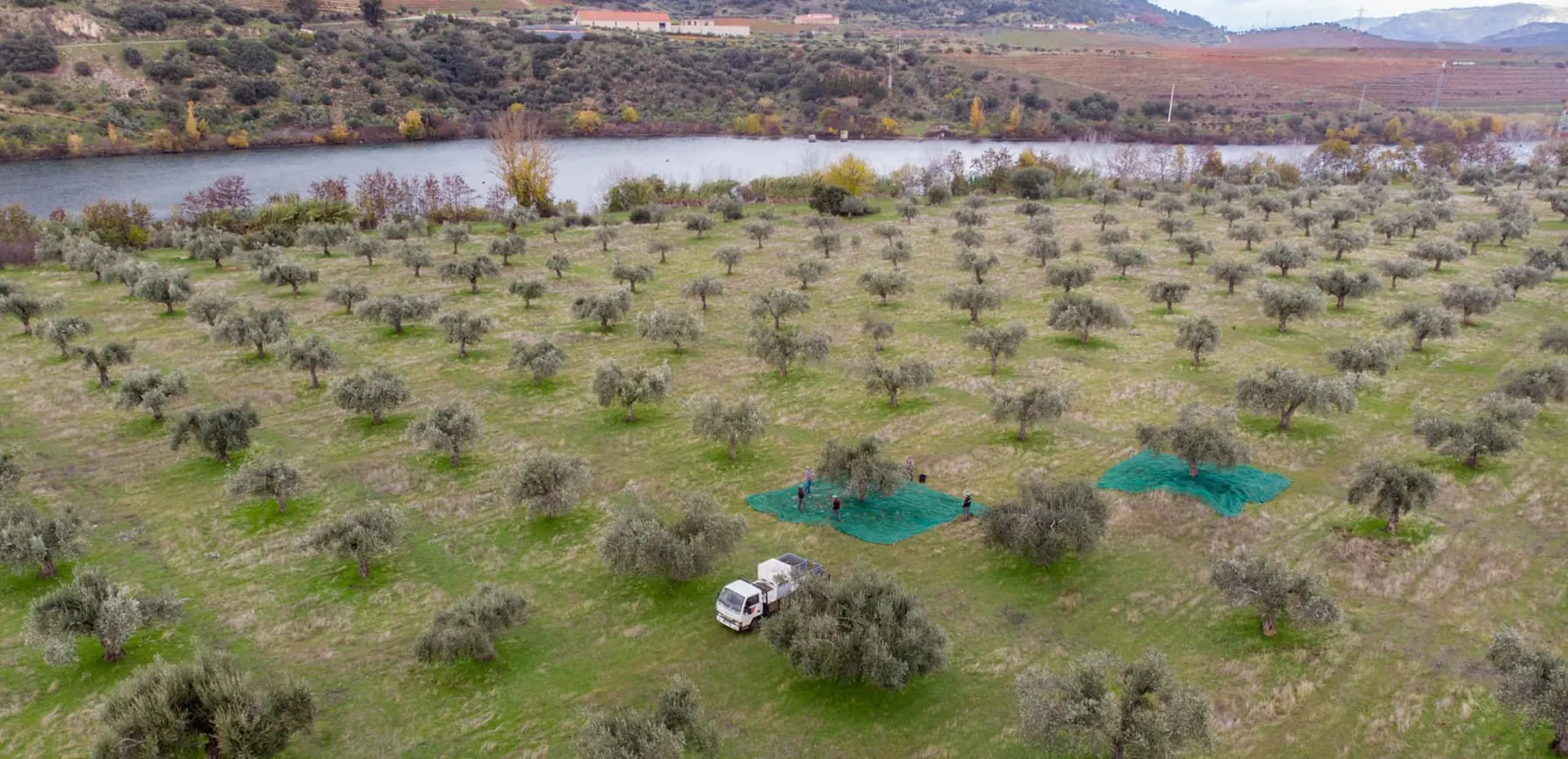
Poles and nets spread beneath the olive trees, as it has been done in the Douro for generations.
24hours, at most, to the millAn olive oil mill in São João da Pesqueira, in a 3,500 m² factory restored among the vineyards, almond and olive trees of the Douro.
From reception to the vats, eight steps under one roof. It is the heart of Fábrica Douro and the part we show on every visit.
For more than thirty years, this building on the Estrada Nacional 222 stood closed. Today it is a mill, among vineyards, almond and olive trees, where Douro olives arrive in the morning and become olive oil by the end of the day.
First the machines and the grape harvests, then the school of wine, now the mill.
 Before
 The school
 Today
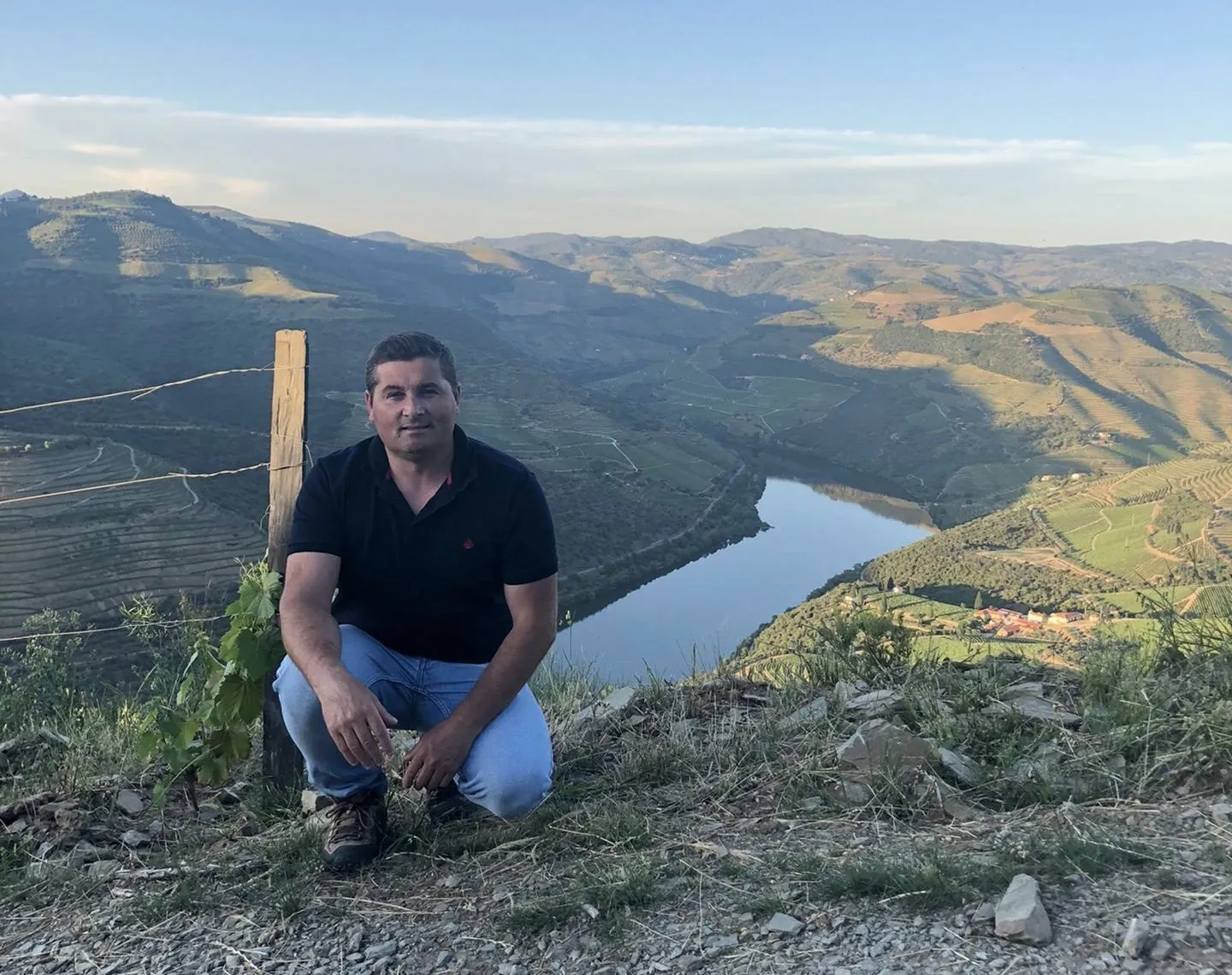
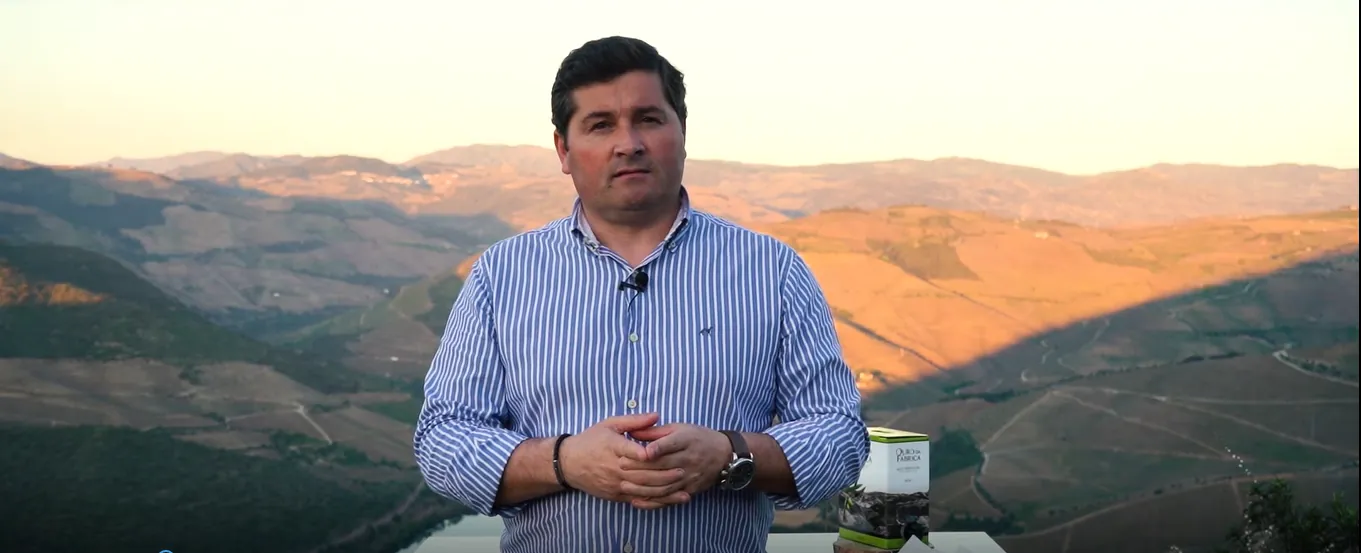
The company was called Vale Fernando and provided farm services: people, machinery, land preparation, vineyard planting and grape harvests. With modern equipment, it went on to do all the support work for the vineyard.
From the link to wine and the partnership with Duorum, one of the largest wine companies in the Douro, came the know-how of quality production. Still today, in very special batches, there is the Poço da Velha red, from the old vines of Quinta Fonte do Santo.
A building abandoned for more than thirty years in Lugar da Barroca was restored to become the mill and the company's headquarters. The equipment was chosen with the most innovative specialists in olive oil extraction.
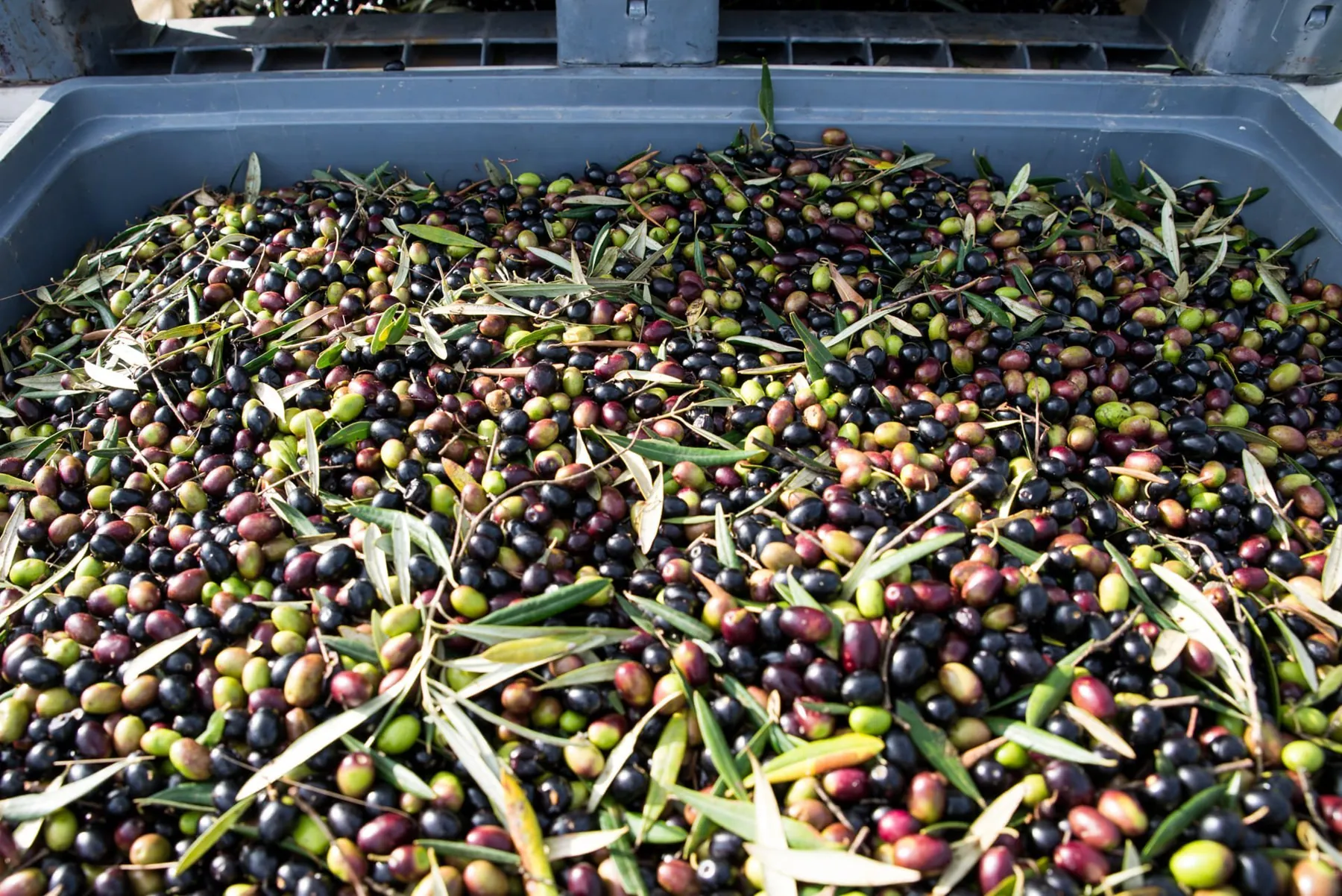
Around 2,000,000 kg of olives per harvest. The olives are delivered and processed on the same day they are picked, so they don't develop defects.
Poles and nets spread beneath the olive trees, as it has been done in the Douro for generations.
24hours, at most, to the millLeaves, twigs, stones and soil are removed. Each batch is weighed and labelled in its own crates.
The olives are crushed into a paste, which goes on to the malaxers.
Slow, continuous movements for 50 to 60 minutes make the first separation of the oil.
<27°Ccold extractionThe paste separates into two phases: clarified oil and olive pomace.
Removes residual water and any remaining liquid impurities from the oil.
The oil is weighed to know the yield of the olives, and acidity is checked by titration.
It settles away from light and oxygen until bottling.
2–3months settlingRun your finger through the oil.
Discover the range
Olive trees over 300 years old, on the slopes of the Douro.
Of the estate's twenty or so olive varieties, Cobrançosa and Verdeal prevail. Careful selection and hand-picking for an intensely fruity oil, with freshly cut grass, tomato leaf and olive leaf.
Picking starts at the end of October and ends in early January. In Trás-os-Montes and the Upper Douro the groves are mostly rain-fed, and the traditional method is beating the branches with poles.
During the harvest, the mill also presses olives from small local farmers.
Three things that change what you taste. We explain it all at the tasting, and here.
Every oil has its own taste. Tap a name and see what you will find.
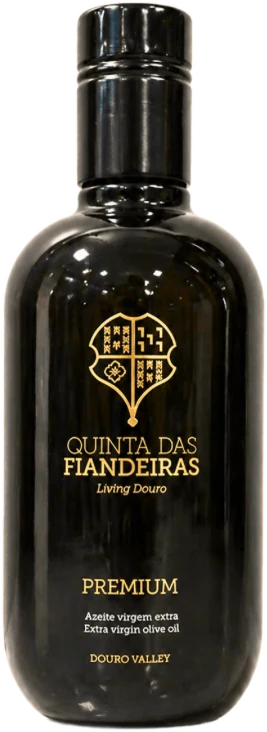
500 ml · Cobrançosa and Verdeal
From olive trees over 300 years old, on the slopes of Quinta das Fiandeiras. Careful selection and hand-picked harvest.
Bring your family or group and see how Douro olive oil is made.
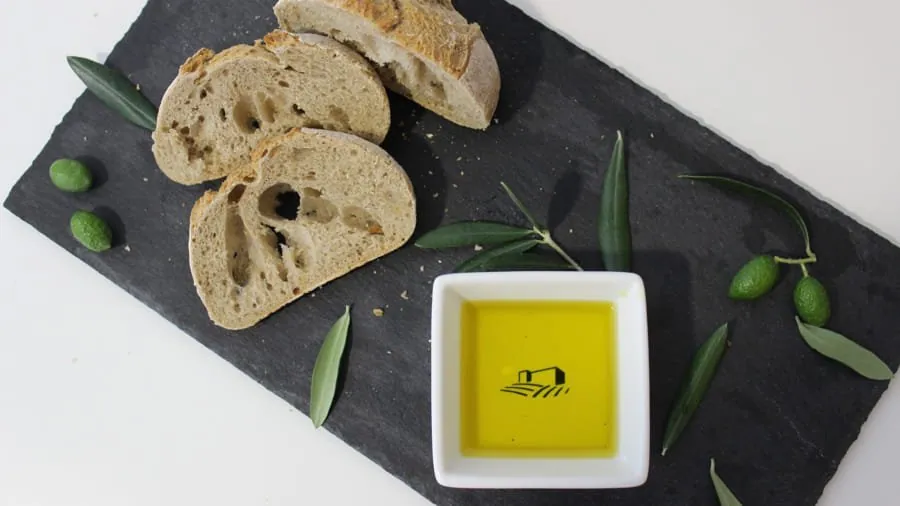
Our team shows and explains every stage, from receiving the olives to milling and storage.
Our groves, the traditional olive harvest and the whole process at the mill.
Two Fábrica Douro olive oils, to tell apart a ripe and a green oil.
The same two oils, with a basket of traditional local bread.
Experiences tailored to your group, booked up to 5 days ahead.
House dishes, recipes from chef friends and from grandmother Virgínia, all with a good drizzle of olive oil.
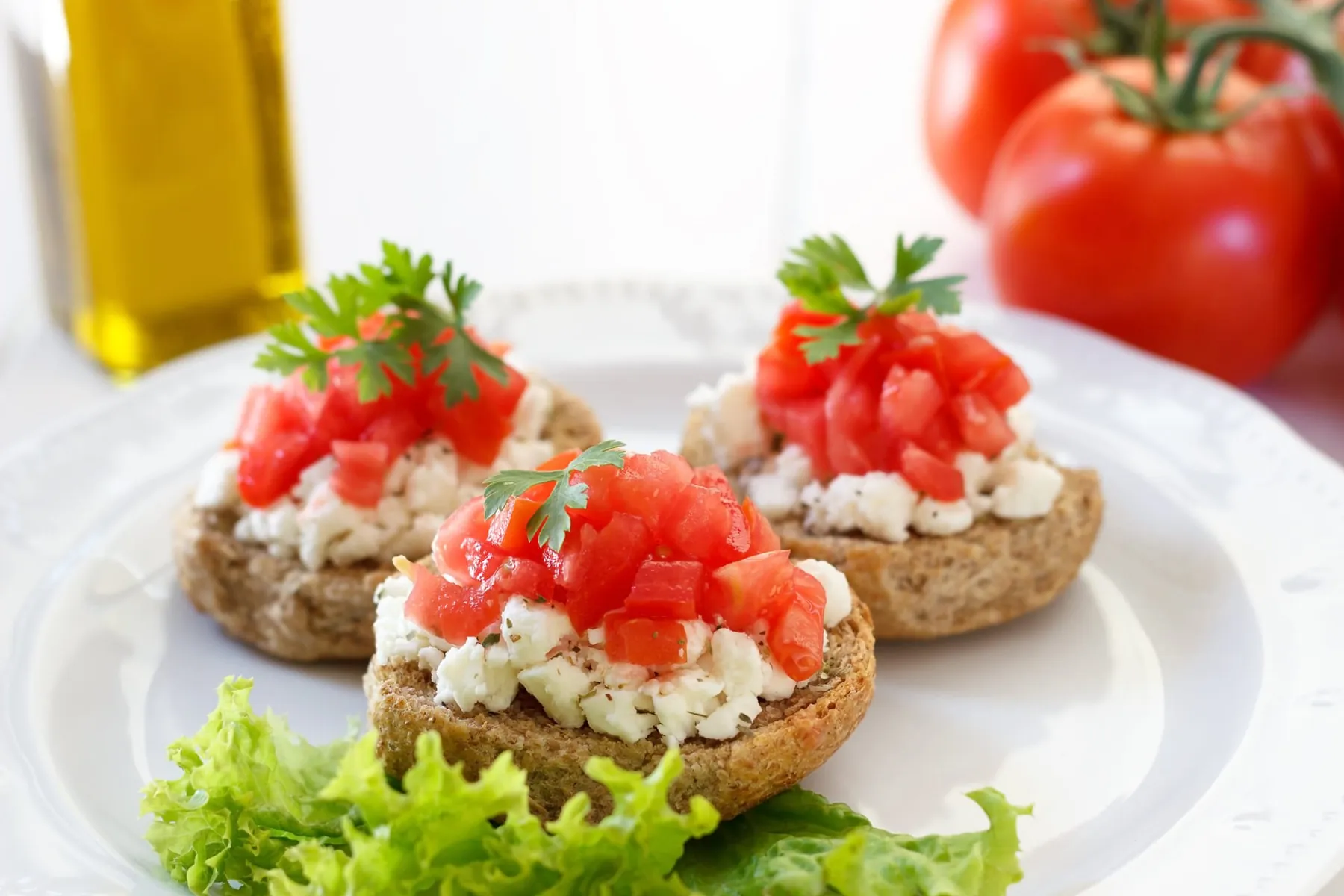
A slice of toasted bread, a good drizzle of olive oil and whatever is fresh.
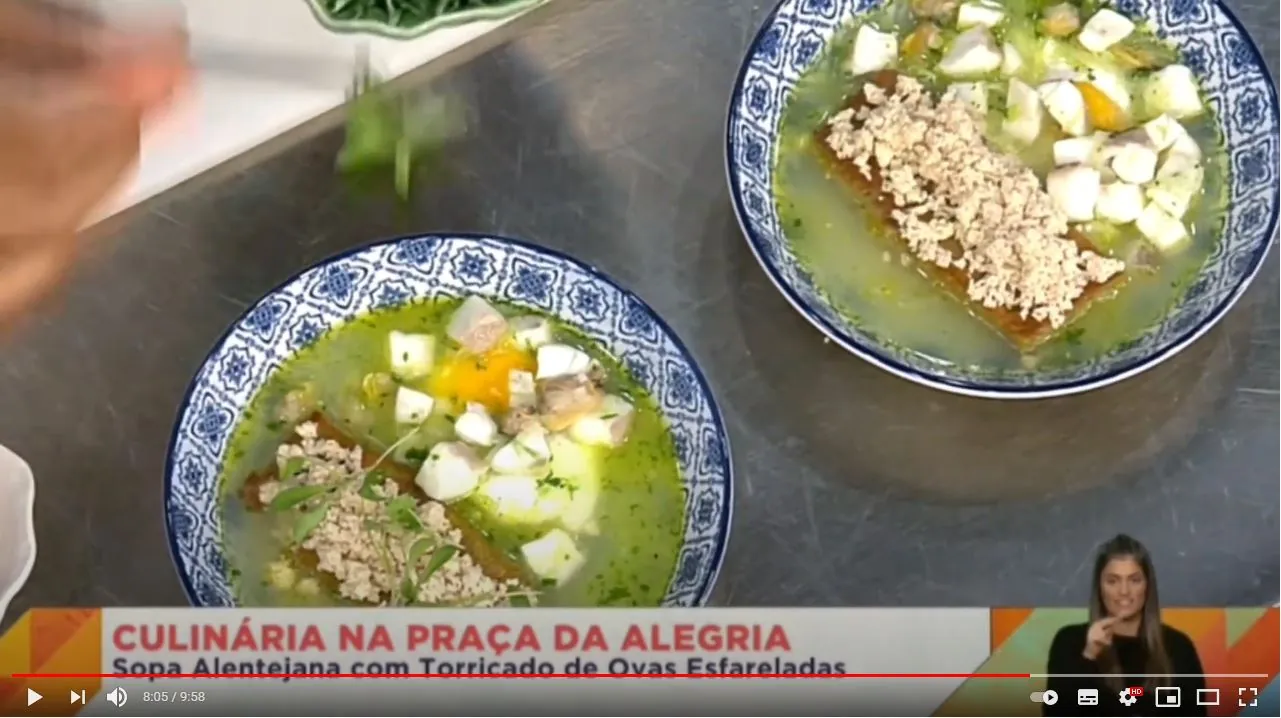
Presented live on Praça da Alegria, on RTP1.
Also known as sodos or azeiteiros. Makes 120 to 150 biscuits, baked in a wood-fired oven.
Shown on the TVI programme Você na TV.
For a light meal or a starter, with oranges and our olive oil.
Ripe figs, as a starter or a main course.